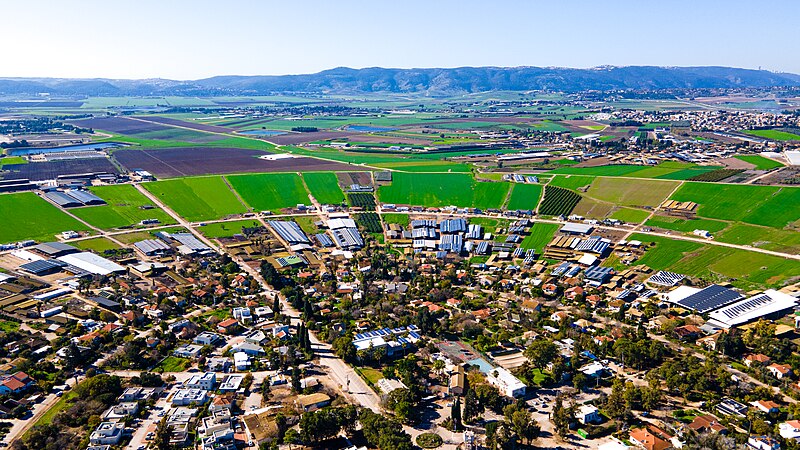
Splitting a moshav is one of the most sought-after topics among landowners in the Jezreel Valley, and also one of the most complex. In 2026, after regulatory updates and stricter implementation of Israel Land Authority decisions, it is important to understand what is truly permitted, what costs money, and where costly mistakes are being made.
What is an estate split?
An agricultural estate usually consists of a residential section and agricultural plots. Dividing an estate allows for the creation of an additional, sometimes independent, residential unit, the sale or transfer of the rights to a separate unit, and the realization of significant real estate value. However, not every estate can be divided, nor under all conditions.
What has changed and gotten worse?
The authorities are now examining in depth existing rights, building exceptions, land zoning and history of use. The economic costs are clearer and include capitalization fees for the Land Registry, payments to the authorities, improvement levies and taxation. In addition, the planning of building rights is more strict: not every plot of land allows for two full units, and sometimes it is a conditional unit or a procedure that requires a change in the urban plan and special permits.
Who is entitled to divide an estate?
Splitting is only possible when the estate is legally registered, there are no significant exceptions, the master plan allows for splitting or an additional unit, and approvals are received from the Regional Planning Commission and the local committee. In many moshavim in the Jezreel Valley, there are significant differences between estates, even within the same locality. The fact that a split was approved in another case does not guarantee approval in your case.
How much does it cost?
There is no uniform price. The main components are the capitalization fees to the Land Registry for the additional building rights, the improvement levy to the local authority, taxation (improvement tax on sale and sometimes purchase tax for the buyer) and planning and licensing costs: architect, appraiser, consultants, surveys and registration. In practice, this sometimes amounts to hundreds of thousands of shekels, but also to the realization of a value of millions.
Common mistakes
Purchasing based on “future potential” without actual approval may result in the division not being possible. Ignoring building exceptions may delay, increase the cost, and even prevent approval. Lack of coordination between an appraiser, lawyer, and realtor leads to mistakes, as dividing an estate is a multidisciplinary process.
How to carry out the process correctly
First, existing rights and plans are reviewed. Then, an appraisal and regulatory opinion is obtained, the Land Registry and the local committee are contacted, costs and taxation are assessed, and only then is a decision made whether to split, sell, or choose another route. Only after these steps is it appropriate to go into marketing or an agreement.
Why is it critical in the Jezreel Valley?
The value of land in the valley is high, demand is strong, and regulations are strictly enforced. An inaccurate transaction could stall for years, lead to legal proceedings, or result in significant financial loss.
Summary
Dividing an estate can be an economic lever, an intergenerational solution, or a smart investment move, but only if you examine rights in depth, understand regulation and taxation, and work with professionals who know the area.
For an initial inspection without obligation: 052-6481725
Lior Zahavi – Emek Real Estate
Expert in estates, moshavim and rural real estate in the Jezreel Valley.


