
Why build a house in the Jezreel Valley?
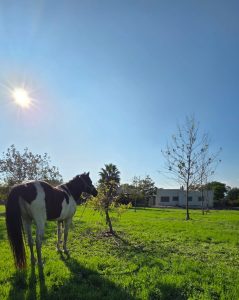
The Jezreel Valley, known as the "granary of the country," is much more than a fertile agricultural region. It is a unique human and cultural mosaic, combining kibbutzim, moshavim and community settlements, and offers a quality of life that is difficult to find elsewhere. The proximity to nature, the excellent education systems, the close-knit communities and the relative distance from the hustle and bustle of the big city, all make the valley a desirable destination for many families. Building a home in the valley is not just an investment in property, but an investment in a lifestyle. It is an opportunity to create a home customized to your needs and dreams, and to put down roots in a place where there is a true sense of belonging.
Cost breakdown: What does a home building budget consist of?
To understand the full picture, it is necessary to break down the budget into its main components. Many tend to think only about the cost of construction per square meter, but this is only part of the puzzle. Here is a comprehensive breakdown of all the stages and associated costs.
Stage 1: Land acquisition and associated expenses
This is the most expensive and significant item in the budget. The price of land in the Jezreel Valley varies dramatically from one settlement to another and even within the same settlement, depending on the location of the plot, its size and its building rights. Prices can range from 1.5 million shekels in certain places and reach 3 million shekels and more in sought-after locations. If you are looking for opportunities, it is always worth checking the supply of plots for sale in the Jezreel Valley on an ongoing basis.
To the cost of the plot, additional and essential expenses must be added:
- Purchase tax: A tax calculated as a percentage of the land price. Currently, the tax rate on land purchases is 6%.
- Lawyer's fees: usually range from 0.5% to 1.5% of the cost of the transaction, and their role is to ensure its legal soundness.
- Brokerage fees: If the transaction was made through a broker, a commission of approximately 2% + VAT must be taken into account.
- Appraisals: If you take out a mortgage to purchase the plot, the bank will require an appraisal by an appraiser on its behalf.
Phase 2: Planning and Licensing – the brains behind the project
Before the first concrete is poured, comprehensive planning and obtaining a building permit are necessary. This stage requires many professionals and is critical to the success of the entire project. The costs here include:
- Architect: The heart of the project. The fee can be based on a percentage of the construction cost (usually 5%-8%) or a predetermined global amount. A good architect will not only design a beautiful and functional home, but will also help you navigate the local council bureaucracy.
- Building engineer (constructor): Responsible for designing the structure's skeleton, its stability, and compliance with standards.
- Additional consultants: Depending on the complexity of the project, you may need a land consultant, plumbing consultant, electrical consultant, safety consultant, interior designer, and more.
- Certified surveyor: Performs measurements of the lot for the purpose of preparing construction plans and marking building lines.
- Building permit fees: Payment to the local authority for processing the permit application. The cost varies depending on the size of the planned house.
Stage 3: Development levies and fees – payment to the community
This is a significant item that often surprises new builders. These are one-time payments to the local authority (the Jezreel Valley Regional Council or neighboring councils) that are intended to finance the public infrastructure that serves your home. It is important to understand the difference between the two main components:
Improvement levy: This is a tax imposed by the local planning and building committee for the increase in the value of your land as a result of the approval of a new city building plan (TABA), the granting of a relief, or approval of an exceptional use. When receiving a building permit, the committee considers this an improvement of the property, and requires you to pay 50% of the increase in value. An appraiser on behalf of the committee determines the amount of the improvement. This is an amount that can reach tens or even hundreds of thousands of shekels, and it is mandatory to inquire about its existence and expected amount before purchasing the plot.
Development Fees: These are direct payments to the local council for connecting your home to existing infrastructure or building new infrastructure. The fees cover a wide range of areas:
- Paving roads and sidewalks
- Water and sewage infrastructure
- Channeling and drainage
- Street lighting
- Construction of public buildings (gardens, schools) and green spaces
The amount of development fees varies drastically between different communities in the valley. In older communities with existing infrastructure, the cost may be relatively low. On the other hand, in new expansion neighborhoods where all infrastructure must be built from scratch, the amounts can reach 200,000 NIS and in some communities even 400,000 NIS. It is mandatory to check with the regional council for the exact rates for your specific community and plot.
Step 4: Direct construction costs (frame and finish)
Here we come to the core of construction itself. The conventional way to estimate this cost is by price per square meter (sq m) built. As of 2026, the realistic price range for good standard construction in the Jezreel Valley ranges from 8,000 to 12,000 NIS per square meter . A 180 square meter house, for example, will cost between 1,440,000 and 2,160,000 NIS to build. The large gap stems from the level of finish you choose. This cost is divided into two main parts:
As of 2026, following the war and the closures imposed in Judea and Samaria, there was a severe shortage of working hands for contractors. As a result, the cost of labor rose and, as a result, the cost of construction per square meter rose accordingly.
Structural work: Makes up about 30%-40% of the construction cost. Includes everything related to concrete, iron, and blocks: digging foundations, pouring floors, beams, columns, walls, ceilings, and preparing for the roof. This is the constructive part of the house, and it is not recommended to skimp here.
Finishing work: accounts for about 60%-70% of the cost, and this is where your budget can soar or be saved. This section includes a long list of components:
- Waterproofing and insulation: critical for quality of life and energy savings.
- Plaster, putty and paint: interior and exterior.
- Flooring and coverings: ceramic, porcelain granite, parquet, etc., including bathroom walls.
- Electrical and plumbing systems: including electrical outlets, lighting, water and sewage pipes, solar/electric water heater.
- Aluminum: Windows, display cases, and shutters. A very expensive item that can vary dramatically depending on the quality of the profile and glass.
- Carpentry: interior doors, entry door, kitchen cabinets, wall cabinets. The kitchen alone is an expensive project within the project.
- Sanitary ware: toilets, sinks, faucets, showers and bathtubs.
- Air conditioning: Mini central system or separate overhead air conditioners.
Stage 5: Foreign development and additional costs
The house doesn't end with the exterior walls. There are additional costs, sometimes significant, that must be included in the budget:
- Landscaping: landscaping, lawn, irrigation system, access paths, parking areas, decks and pergolas.
- Fences and gates: to demarcate the property and ensure privacy.
- Connection to infrastructure: Separate payments to the electricity company for connecting the home to the grid, as well as to the gas and communications companies.
- Construction Supervisor: A professional on your behalf who is on site, overseeing the quality of the contractor's work, ensuring compliance with plans and preventing costly mistakes. His cost ranges from 2% to 4% of the project cost, and is an investment that pays for itself.
- In CM (unforeseen): A rule of thumb in construction budgeting is to leave aside 10%-15% of the total budget for unplanned expenses. There are always surprises, and it is always worth being prepared.
Sample cost estimate table
To put it into perspective, here is a table showing a rough cost estimate for building a 180 square meter house on a 500 square meter lot in the Jezreel Valley. It is important to emphasize that these are only ranges and the numbers can change.
| section | Cost range (NIS) | Notes |
|---|---|---|
| Purchase of land (500 square meters) | 2,100,000 –3,500,000 | Depends on the exact location within the valley |
| Taxes and consultants (stages A+B) | 250,000 – 450,000 | Including purchase tax, lawyer, architect and consultants |
| Development levies and fees (Phase C) | 150,000 – 300,000 | Varies greatly between localities and expansions |
| Direct construction costs (180 square meters) | 1,440,000 – 2,160,000 | According to 8,000-12,000 NIS per square meter |
| External development, connections and supervisor | 150,000 – 350,000 | Garden, fences, infrastructure, supervision |
| In cm (about 10%) | 350,000 – 570,000 | Calculation from the total amount |
Self-construction versus purchasing a ready-made home in Emek
After seeing the complexity and costs, the obvious question arises: Should you build or buy a ready-made home? Each option has its advantages and disadvantages. Building allows for perfect customization, a completely new home, and the potential for a higher increase in value. On the other hand, it requires time, energy, dealing with professionals, and exposure to budget overruns. Buying an existing home is a faster process, with a known final cost in advance and without the headache of project management. The disadvantage is the need to compromise on the design, size, or location, and sometimes renovation is necessary to adapt the property to your needs. If you are in doubt, you can always examine the supply of homes for sale in the Jezreel Valley to gain perspective and compare costs. Sometimes, you can find unique properties, such as homes for sale in the old Nahalal, that offer character and a story that cannot be recreated in new construction.
In some cases, especially when looking for a larger area with agricultural or business potential, it is also worth considering options such as estates for sale in the Jezreel Valley , which offer a completely different package than building on a standard lot.
Summary: The Journey to Building Your Dream Home in Emek
Building a home in the Jezreel Valley is undoubtedly a complex, challenging and expensive project, but also incredibly satisfying. The key to success lies in thorough preparation, a thorough understanding of all budget components, and careful planning. Don't be afraid to ask questions, consult with professionals, and take the time required at each stage. With the right management, the appropriate professional guidance, and a realistic understanding of the costs, you can turn your dream of a home in the valley into a reality, and enjoy an exceptional quality of life in the magical landscapes of the valley.