
From Pilgrimage to Agricultural Settlement: The Roots of the Templar Colony
The story of modern Bethlehem of Galilee begins in 1906, but its roots go deeper, to the Templar movement that emerged in Germany in the mid-19th century. The Templars, a Protestant religious community, believed that the redemption of the world would come through the settlement of the Holy Land. They were not Zionists, but rather people of faith who sought to establish exemplary communities here, based on the values of work, agriculture, and faith. After establishing successful colonies in Jerusalem, Jaffa, and Haifa, they sought land to establish another agricultural colony.
The choice fell on the lands of the abandoned Arab village of Umm Lehem, identified by researchers with the biblical Bethlehem in the territory of the tribe of Zebulun. The Templars purchased the land and began the work of planning and construction. They planned the colony carefully, in the style of a typical German village (Waldhufendorf): one long main street, along which the agricultural holdings were located. Each holding included a residential house, an inner courtyard (Hof) and farm buildings such as a cowshed, barn and warehouses, with a long strip of agricultural land stretching behind the house. This planning created a unique fabric of life, in which the community and agricultural work were intertwined.
Architecture that tells a story: Characteristics of Templar construction
The fascination that overwhelms visitors and residents of Bethlehem of Galilee lies first and foremost in its extraordinary architecture. The Templar houses are unlike any other style of construction in the Land of Israel of that period. They are a silent testament to the vision, ability, and values of their builders, who brought with them building traditions from Germany and adapted them to the local climate and materials.
Local stone, tiled roofs and functional design
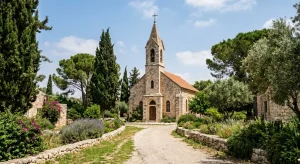
The most striking feature is the extensive use of dressed cylindrical stone to build the thick walls of the house, which provided excellent insulation against heat and cold. Above the stone walls are sloping red tiled roofs, which have become the symbol most associated with the colony. The windows of the houses, often arched, were closed with colorful wooden shutters that added a touch of charm and protected from the sun. In many buildings, inscriptions carved into the stone in German can be found, often verses from the Bible or the year of construction, a silent testimony to the faith of the settlers.
The interior design of the houses was functional and adapted to farm life. The ground floor was often used as a kitchen, dining area, and sometimes also as a wine cellar or storage for agricultural produce, while the upper floor was intended for bedrooms. The large inner courtyard was the heart of the farm, and all the auxiliary buildings were concentrated around it, creating an independent and functioning economic unit.
The Challenges of Preservation in the Modern Era: Between Authenticity and Functionality
Living within a historical monument is a fascinating experience, but it also poses some challenges. The vast majority of the original houses in Bethlehem of Galilee have been declared listed buildings, which places significant restrictions on property owners. The goal is to preserve the unique historical character of the settlement, but it sometimes clashes with the needs of modern life.
Any exterior change, from replacing a window to adding a balcony, requires approval from the Site Preservation Council and the local Planning and Building Committee. The process can be long and complex, and the requirements are strict: using original or similar materials as much as possible, maintaining the outline of the building, and avoiding damage to the historic appearance. The costs of renovating and preserving these homes are significantly higher than standard construction, and require professionals who specialize in working with stone, wood, and traditional construction techniques. This is one of the main reasons why the Jezreel Valley real estate sector in this community is considered prestigious and unique.
However, many property owners are finding creative solutions that bridge the gap. They meticulously preserve the historic exterior while redesigning the interior to meet modern standards of comfort and functionality. It is this combination of old and new that creates homes with irreplaceable character, making living in them a rewarding experience.
The economic potential: from an agricultural colony to a tourist brand
The unique character of Bethlehem of Galilee has made it a thriving tourist attraction. The European atmosphere, picturesque houses, and rural tranquility beckon visitors from all over the country. This potential has not gone unnoticed by the residents, and many of them have turned their properties into a source of income.
- B&Bs and guesthouses: Dozens of boutique B&Bs and guesthouses operate in the moshav, many of them housed in restored Templar buildings. Staying in a 100-year-old stone house is a unique experience that tourists are willing to pay for.
- Small Businesses: Main Street has become home to galleries, cafes, restaurants, and concept stores. Businesses like the Spice Farm, Shepherd's Song Dairy, and the Cart Restaurant have all become an integral part of the place's brand.
- Real estate value: The high demand for residential and commercial properties in the moshav, along with the limited supply, maintains high and stable property values. Buying a home in Bethlehem of Galilee is considered a solid investment, especially in light of the fact that these are rare properties with added historical value. These are considered some of the most sought-after private homes for sale in the Jezreel Valley .
Life in Bethlehem of Galilee today: Community, nature and quality of life
Beyond history and tourism, Bethlehem of Galilee is first and foremost a home. The community in the moshav is considered strong, cohesive and mixed, consisting of a combination of old families, successors of the founders of the Israeli moshav, and young families who have arrived in recent years in search of a better quality of life. The excellent education system, rich cultural life and many community activities make it an ideal place to raise children.
The proximity to the Alonim Forest and other nature reserves allows residents to enjoy a direct connection to nature, with countless hiking trails, cycling trails and lovely corners right outside the door. The quiet, clean air and green views are an integral part of the living experience.
In terms of real estate, the options are diverse. Alongside the Templar houses for preservation, there are also sprawling neighborhoods with modern homes. Sometimes, you can find plots for sale in the Jezreel Valley around the moshav, which allow for self-construction while integrating into the community fabric. In many ways, the properties here are essentially different from estates for sale in the Jezreel Valley , as the emphasis is less on the agricultural space and more on the historical and community value of the property itself. This is a rare combination of past, present and future, offering a lifestyle that is difficult to find elsewhere.
Buying a property in Bethlehem of Galilee: advantages versus disadvantages
| Advantages | Disadvantages |
|---|---|
| Architectural and historical character and uniqueness | Property prices are higher than the regional average. |
| A strong and cohesive community | Strict preservation restrictions on historic properties |
| Economic potential from tourism and small businesses | Very low supply of vacant properties |
| High quality of life and closeness to nature | High renovation and maintenance costs for buildings to be preserved |
| Stable demand and maintenance of property value | Tourist congestion on weekends and holidays |